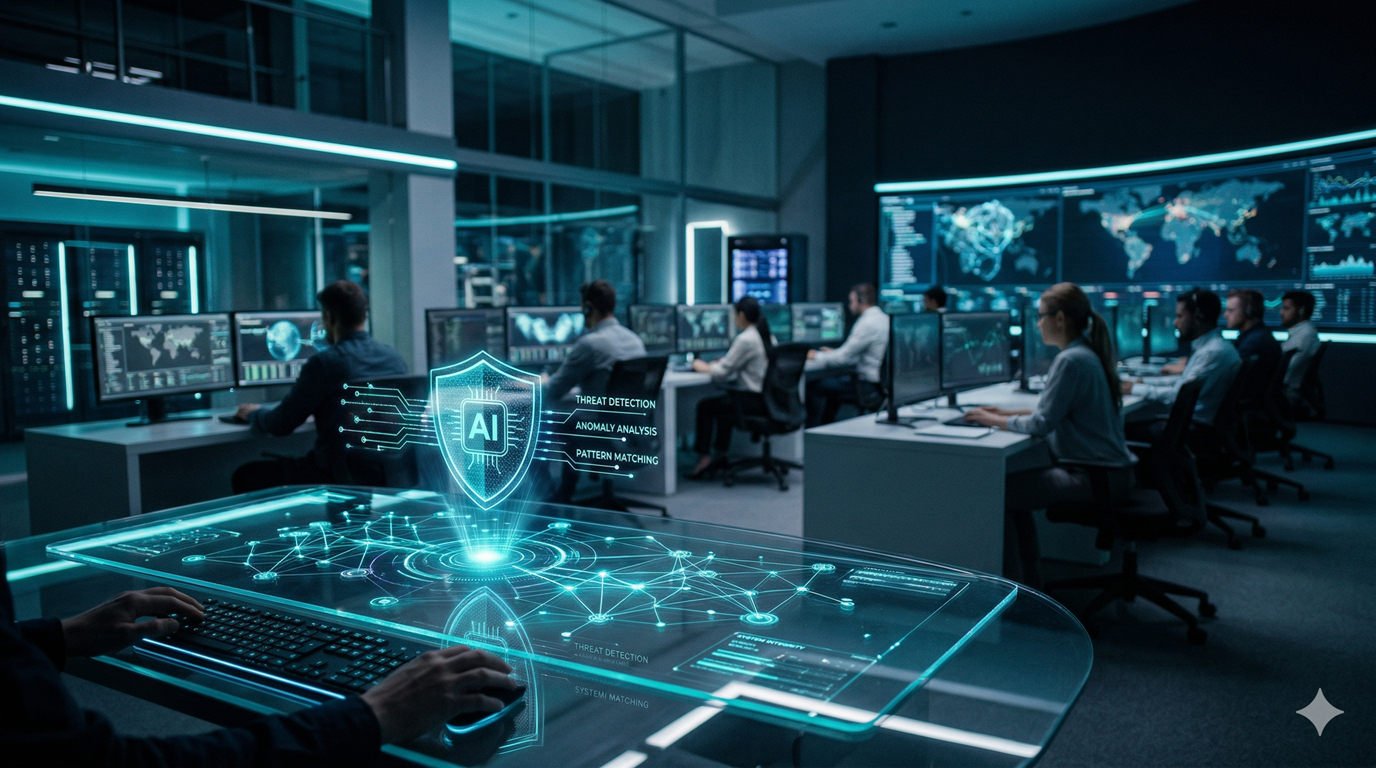
Beyond the Hype: Practical AI Applications for Enterprise Cybersecurity
The term "Artificial Intelligence" (AI) has become ubiquitous, often conjuring images of futuristic robots and self-aware machines. In the realm of cybersecurity, AI is frequently touted as the ultimate defense against ever-evolving threats. While the hype is undeniable, it's crucial for enterprises to look beyond the buzzwords and understand the tangible, practical applications of AI that are genuinely enhancing cybersecurity postures today.
At Andrea Technology Solutions, we believe in leveraging technology for real-world impact. AI isn't just a theoretical concept; it's a powerful tool that, when implemented strategically, can significantly bolster an organization's defenses, streamline security operations, and proactively combat cyber threats.
The Promise of AI in Cybersecurity: What's Real?
The core promise of AI in cybersecurity lies in its ability to process vast amounts of data, identify patterns that humans might miss, and automate complex tasks at speeds far exceeding human capabilities. This translates into several key benefits:
Enhanced Threat Detection: AI algorithms can analyze network traffic, user behavior, and system logs to identify anomalies and potential threats in real-time, often before they escalate.
Faster Incident Response: By automating initial analysis and containment steps, AI can significantly reduce the time it takes to respond to security incidents, minimizing potential damage.
Proactive Vulnerability Management: AI can predict potential vulnerabilities and prioritize patching efforts, allowing organizations to stay ahead of attackers.
Improved Efficiency: Automating repetitive tasks frees up valuable human security analysts to focus on more strategic and complex challenges.
Practical AI Applications in Action
Let's delve into some of the most impactful and practical ways enterprises are deploying AI in their cybersecurity strategies:
1. Advanced Threat Detection and Prevention
Traditional signature-based antivirus solutions are no longer sufficient against sophisticated, zero-day threats. AI-powered solutions excel here by:
Behavioral Analytics: AI can learn the normal behavior of users and systems. Any deviation from this baseline, such as unusual login times, access patterns, or data exfiltration attempts, can be flagged as suspicious. This is particularly effective against insider threats and advanced persistent threats (APTs).
Machine Learning for Malware Analysis: Instead of relying solely on known malware signatures, AI can analyze the characteristics and behaviors of new, unknown files to determine if they are malicious. This allows for the detection of novel and polymorphic malware.
Network Intrusion Detection Systems (NIDS): AI enhances NIDS by analyzing network traffic patterns for anomalies that might indicate an intrusion, such as unusual port scanning, command-and-control communication, or data exfiltration.
2. Enhanced Endpoint Security
Endpoints, from laptops to servers, are prime targets for attackers. AI is revolutionizing endpoint security through:
Endpoint Detection and Response (EDR): AI-powered EDR solutions continuously monitor endpoint activity, detect malicious behavior, and provide automated response capabilities to isolate compromised devices and prevent lateral movement.
Predictive Vulnerability Assessment: AI can analyze system configurations, software versions, and historical data to predict which endpoints are most likely to be exploited, allowing for proactive patching and hardening.
3. Streamlined Security Operations Center (SOC) Efficiency
SOC teams are often overwhelmed by the sheer volume of alerts. AI can significantly improve their effectiveness:
Automated Alert Triage: AI can analyze and prioritize security alerts, distinguishing between genuine threats and false positives. This reduces alert fatigue and allows analysts to focus on critical incidents.
Threat Hunting Assistance: AI can assist human threat hunters by identifying suspicious patterns and suggesting areas for deeper investigation, accelerating the process of uncovering hidden threats.
Incident Response Automation: For common incident types, AI can automate initial response actions, such as isolating affected systems, blocking malicious IP addresses, or quarantining suspicious files, thereby speeding up containment.
4. Improved Identity and Access Management (IAM)
Securing user identities is paramount. AI contributes to IAM by:
Behavioral Biometrics: Beyond passwords and multi-factor authentication, AI can analyze unique user behaviors (e.g., typing cadence, mouse movements) to continuously verify identity and detect account takeover attempts.
Risk-Based Authentication: AI can assess the risk associated with a login attempt based on factors like location, device, and time of day, dynamically adjusting authentication requirements for higher security.
5. Proactive Vulnerability Management and Patch Prioritization
Identifying and addressing vulnerabilities is a continuous challenge. AI can help by:
Predictive Threat Intelligence: AI can analyze global threat landscapes and predict which vulnerabilities are most likely to be exploited in the near future, allowing organizations to prioritize patching efforts effectively.
Automated Patch Recommendation: Based on an organization's specific environment and the current threat landscape, AI can recommend the most critical patches to apply.
Implementing AI in Your Cybersecurity Strategy
While the benefits are clear, successful AI implementation requires a strategic approach:
Define Clear Objectives: Understand what specific cybersecurity challenges you aim to address with AI.
Data Quality is Key: AI models are only as good as the data they are trained on. Ensure you have clean, comprehensive, and relevant data.
Start Small and Scale: Begin with a pilot project focusing on a specific use case before a full-scale deployment.
Integrate with Existing Systems: Ensure AI solutions can seamlessly integrate with your current security infrastructure.
Human Oversight Remains Crucial: AI is a powerful assistant, not a replacement for skilled cybersecurity professionals. Human expertise is vital for interpretation, strategic decision-making, and handling complex or novel situations.
The Future is Intelligent
AI is no longer a distant dream in cybersecurity; it's a present-day reality that offers tangible benefits for enterprises. By moving beyond the hype and focusing on practical applications, organizations can harness the power of AI to build more resilient, proactive, and efficient cybersecurity defenses. At Andrea Technology Solutions, we are committed to helping businesses navigate the evolving threat landscape with intelligent, effective solutions.